Food hygiene and professional sanitation experts in Brampton assist you in maintaining dining venues, commissaries, baking operations, warehouses, and mobile food operations in compliance. They disinfect high-touch points, food preparation zones, equipment, floors, drains, restrooms, and food handling zones using certified sanitizers, proper dilution, and documented exposure durations.
Essential Summary
- Sanitation specialists in Brampton work with restaurants, grocery departments, commissaries, warehouses, bakeries, schools, mobile vendors, and allergen-sensitive operations.
- Cross-contamination reduction is accomplished by disinfecting high-touch surfaces, food-contact equipment, kitchens, floors, drains, restrooms, and storage areas with area-specific procedures.
- Proper chemical concentration, compatibility, and contact time are checked by qualified contractors, with conclusion documented via samples, audits, and correction logs.
- Cleaning timelines should adhere to danger, production volume, transitions, incidents, and standards, with regular, regular, and cyclical tasks designated by area.
- Protection, colour-coded tools, hazard analysis knowledge, health regulatory competency, WHMIS education, references, and audit-ready hygiene documentation are essential contractor traits.
What Brampton Establishments Require Food Safety Cleaning?
You must adhere to food safety cleaning if your operation is falls under public health inspection, food premises regulations, or internal HACCP-based controls. This covers dining establishments, employee cafes, distribution hubs, market sections, meat shops, fish stands, retail outlets, and food service kitchens.
Adherent hygiene cleaning is furthermore needed in supply facilities, manufacturing operations, cold storage areas, bakery retailers, educational nutrition programs, banquet halls, and food delivery hubs. Mobile and temporary establishments apply similarly, such as mobile kitchens, market vendors, and seasonal booths. Your establishment demands documented cleaning protocols if your employees handle raw materials, divide prepared foods, warm meals, or maintain allergen storage. In Brampton, hygiene stays elective; it comprises lawful, operational, and customer protection adherence.
Which Areas Do Brampton Cleaning Experts Cover?
Professional cleaning teams specializing in Brampton sanitize touched surfaces, food preparation areas, ground surfaces, and restrooms to satisfy food safety standards and health requirements. Emphasis on these spaces stems from extreme cross-contamination risk, potential for accidents, and possible regulatory violations.
By understanding their service scope, you are able to confirm your operation's sanitation protocols satisfy all operational and regulatory requirements.
Prioritizing High-Touch Surface Disinfection
Handling high-touch surface sanitizing is vital for Brampton janitorial experts because contact points can transmit pathogens and contaminants across a space. You need a formal plan for disinfecting entry points, contact surfaces, control panels, railings, shared devices, registers, and cold storage handles. Employing area assessment techniques, experts locate every frequently handled point and assign cleaning timing
verify that disinfection was effective and facilitate remedial steps when results come outside specified thresholds
Food Prep Areas, Flooring, and Sanitary Facilities
Brampton cleaning professionals will handle kitchens, floors, and restrooms since each space presents separate food safety concerns, injury, and public health challenges. In industrial kitchens, you need degreasing on cook lines, equipment exteriors, drains, prep surfaces, and splash zones to minimize bacterial growth and pest activity.
Floor care that is recorded should equally be anticipated. Technicians clean and remove buildup from grout, tile, and vinyl flooring, then apply proper moisture management so you can limit falls and maintain code-compliant conditions. They also handle entryways where moisture and debris migrate indoors.
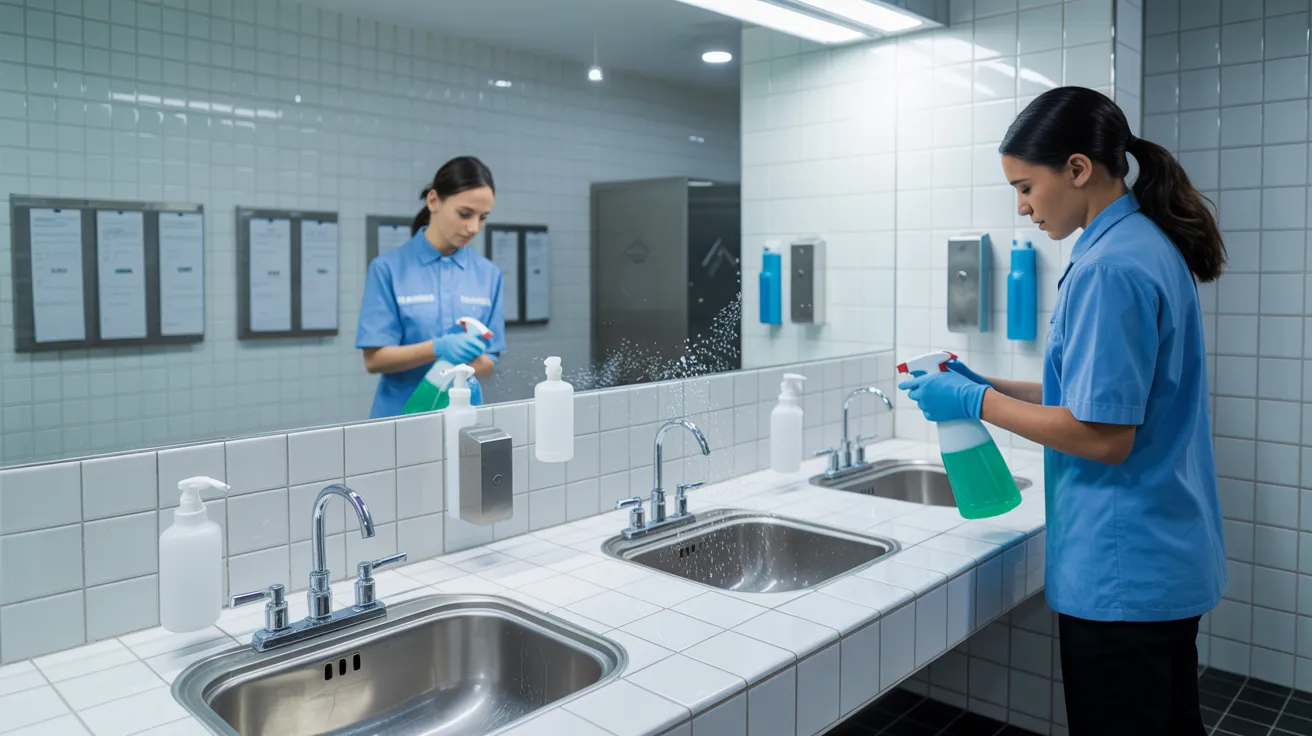
Restroom cleaning involves disinfecting surfaces, fittings, separators, dispensers, and containers, replenishing amenities and managing odor. They also maintain restaurant cleaning supply rooms where product storage, sink cleanliness, and drain systems impact daily sanitation standards and worker protection.
Why Food Safety Cleaning Matters in Brampton
To comply with regulatory mandates and pass inspections, Brampton facilities must maintain appropriate cleaning protocols. You also reduce cross-contamination by cleaning and sanitizing food-contact surfaces, equipment, and high-touch areas correctly. Most importantly, you safeguard public health by lowering the risk of foodborne illness in your facility.
Food Safety Regulations
Brampton food businesses must comply with mandatory safety protocols, so food safety cleaning is key to fulfilling health codes, protecting customers, and sidestepping penalties. You must maintain clean food preparation areas, written maintenance records, appropriate product handling, and documented employee protocols that comply with municipal and provincial inspection expectations.
During regulatory assessment of your operation, inspectors assess whether your sanitation system facilitates secure product handling, appliance cleanliness, waste handling, and facility cleanliness. Detailed hygiene logs help you to prove due diligence during inspection audits and indicate that your procedures are reliable, replicable, and monitored.
Cross-Contamination Prevention
Adhering to health code standards requires your expertise in stopping cross-contamination throughout daily food handling and cleaning. You need to separate raw ingredients from ready-to-eat in-depth guide foods, sanitize work stations after each task, and keep chemicals away from food-contact items. Organized systems minimize contamination events and maintain ongoing regulatory adherence.
Implementing allergen segregation helps ensure major allergens don't touch shared surfaces, containers, or equipment. Utilize separate boards, color-labeled items, and clear tool marking so workers don't combine products while preparing or distributing. Require handwashing after handling fresh proteins, aquatic items, egg products, or allergen materials. Refresh cleaning cloths often, and verify sanitizer strength with test strips. When you train staff to follow these controls per shift, you create a cleaner, safer operation that satisfies Brampton's food safety needs daily.
Public Health Defense
Should food safety cleaning collapse, you don't simply risk a failed inspection—you increase the potential of foodborne illness harming customers, staff, and the wider Brampton community. You also weaken your role in safeguarding community wellness, especially in busy food facilities where pathogens travel quickly through surfaces, equipment, and touchpoints.
You require cleaning procedures that eliminate soils, sanitize properly, and confirm effectiveness. This requires following contact periods, employing authorized sanitizers, logging schedules, and training employees to satisfy health-unit expectations. These controls promote pathogen reduction by limiting pathogens before contaminating food or surfaces. Across Brampton, strong cleaning protects at-risk populations, limits outbreak risk, and demonstrates accountability. When you maintain proper protocols, you go beyond requirements—you meaningfully reduce risk and facilitate secure food handling throughout the area.
How Can Cleaning Practices Ensure Food Safety Compliance?
Adopting comprehensive cleaning schedules secures food safety compliance by decreasing contamination threats, controlling pathogen growth, and maintaining your facility's adherence to sanitation requirements under HACCP-based programs and public health regulations. You ensure that food-handling surfaces appear visibly clean and microbiologically controlled, supporting documented preventive controls and inspection readiness.
Proper cleaning procedures also improve allergen mitigation by extracting residues that can provoke undeclared allergen exposure.
How Do You Schedule Commercial Cleaning Services?
build up harmful substances. Increase frequency
handled independently
Finding Quality Brampton Cleaning Experts: A Guide
Screen providers initially by their food hygiene standards—not budget alone. You need to verify that every company meets CFIA, public health, and HACCP-aligned expectations for your operation. Demand proof of insurance, WHMIS compliance, training records, and management systems. Evaluate technician knowledge of cross-contamination risks, chemical safety, and documented sanitation practices.
You should further examine operational reliability and accountability. Request testimonials from Brampton food businesses, then review reply speed, corrective action plans, and communication standards. Validate the company facilitates supplier audits and can supply compliance documentation to regulators or external parties. Confirm equipment receives maintenance, color-coded implements are used appropriately, and facility-specific risks are identified. A experienced service ensures regulatory compliance, product quality, and your brand reputation.
Which components are contained in a Food Safety Cleaning Plan?
Establish a documented plan that establishes every sanitation duty, standard, and accountability before production begins. You should list cleaning intervals, permitted substances, dilution percentages, exposure times, instruments, and inspection methods for each zone, surface, and piece of equipment. Add pre-operational inspections, corrective actions, and employee training requirements.
Your framework should also cover cross-contamination controls, waste handling, pest-prevention measures, and documented schedules for bathrooms, drainage, ground surfaces, and food-handling zones. Specify how you'll distinguish raw from ready-to-eat operations, support ingredient tracking, and copyright accurate allergen labeling through validated cleaning between product changes. You should define accountability, maintain signed records, and check results against regulatory standards, HACCP controls, and customer requirements. When gaps appear, revise procedures immediately and re-educate staff.
Regular Posed Inquiries
Do sanitation providers work during overnight shifts at Brampton facilities?
Yes, you can arrange sanitation coverage to accommodate overnight shifts in Brampton facilities. You'll coordinate overnight sanitation around production windows, access controls, and personnel needs. Services generally outline overnight procedures to reduce disruption, maintain compliance, and record finished work. You should verify arrival timeframes, oversight, access protocols, and disposal methods before service begins.
Do sanitation professionals provide hazard containment services?
Yes, you can find many Brampton cleaning experts who provide hazard containment services. They manage hazardous materials, evaluate dangers, isolate affected areas, and start rapid decontamination to minimize risk and avoid operational disruption. You should verify arrival timeframes, training certifications, safety procedures, and disposal procedures. If your facility must meet regulatory requirements, select a service that records events, follows compliant standards, and supports audit readiness.
Can eco-friendly disinfectants be deployed safely on surfaces contacting food?
Yes, eco-friendly disinfectants can be suitable for surfaces contacting food if you select disinfectants approved for food contact and complying with regulations. You should check exposure duration, concentration levels, and rinse protocols before use. Many plant-derived products minimize chemical burden, but you must obtain confirmation of performance against relevant pathogens. To preserve residue-free areas, you should adhere to manufacturer instructions exactly and validate the sanitizer satisfies applicable food industry sanitation standards.
Will cleaning schedules respond to seasonal shifts?
Absolutely, sanitation programs can be customized for seasonal shifts. Adapt timing, personnel, disinfectants, and validation steps to fit seasonal workflows while preserving regulatory compliance. Decrease production interruptions through planning cleaning around equipment transitions, maximum output, and operational patterns. Also revise SSOPs, employee training, and facility monitoring to reflect seasonal hazards, emerging allergens, or elevated soil levels. Ongoing evaluations maintain your strategy efficient.
Are professional cleaning companies offering staff training on hygiene protocols?
Yes, commercial cleaners often train your staff on hygiene standards. You receive staff training on correct chemical application, contact times, contamination control, equipment disassembly, and record keeping. They typically align training with HACCP, GMP, and CFIA or regional health department regulations. Many perform hygiene inspections to verify compliance, spot deficiencies, and reinforce corrective actions. This allows you to maintain consistent procedures, pass inspections, and minimize contamination hazards regularly.
Closing Remarks
When you work with Brampton food safety and commercial cleaning experts, you aren't merely cleaning—you maintain your facility audit-prepared and your standards compliant. From kitchens to processing floors, every polished surface and well-kept corner minimizes pest intrusion and prevent costly setbacks. By scheduling service at the right intervals and following a clear cleaning plan, you safeguard employees, customers, and your reputation. In a tightly regulated environment, clean spaces aren't optional—they're part of doing business right.
Comments on “Top Rated Janitorial Services”